
Here in the rolling hills and picturesque villages of Worcestershire, Herefordshire and Gloucestershire, nature is woven into the very fabric of our lives. But our private sanctuaries – our gardens – hold immense potential to do more than just delight the eye. They can become crucial habitats for our local wildlife, actively contributing to a healthier ecosystem and even helping us combat climate change. In this blog, I’ll explore the incredible benefits of embracing wildlife-friendly garden design, both for the natural world and for you, the garden owner.
A Lifeline for Wildlife:
Our local wildlife, from the industrious honeybee to the shyly bustling hedgehog, faces ever-increasing challenges. Habitat loss, pesticide use, and climate change all take their toll. But your garden, however small, can make a meaningful difference. By incorporating elements that support nature, you’re creating a sanctuary where wildlife can thrive.
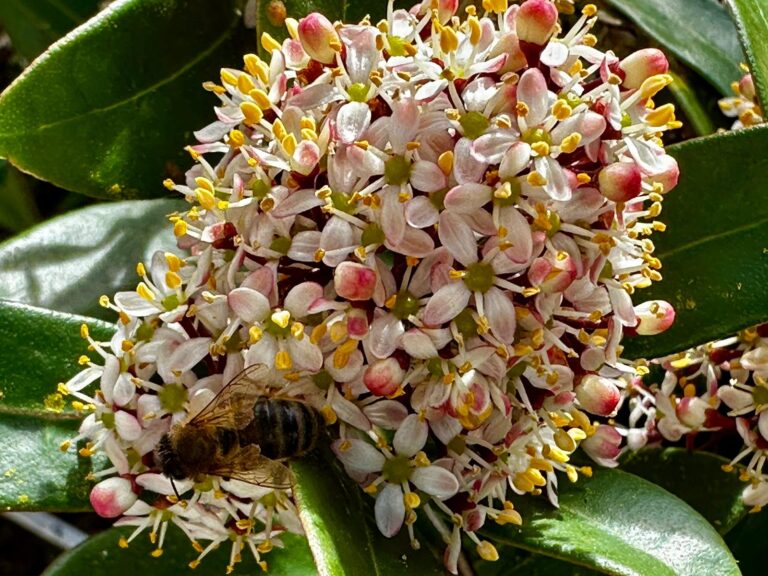
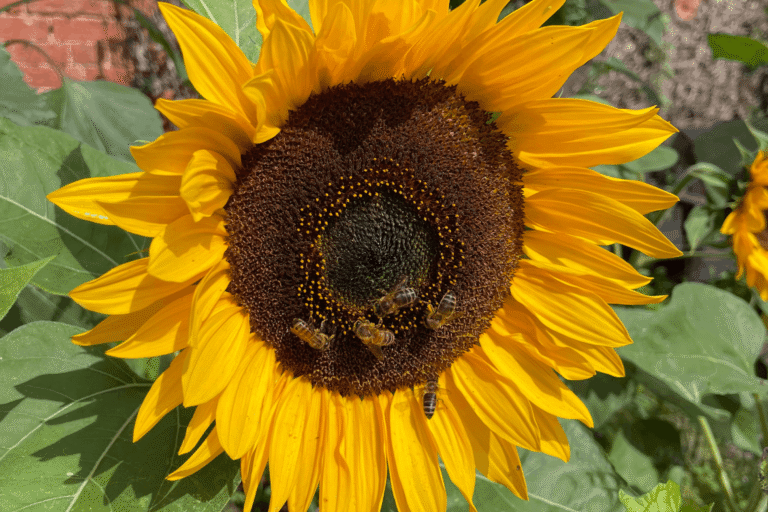
- Nectar and Pollen for Our Pollinating Friends: Bees, butterflies, and other pollinators are essential for the health of our environment. Planting a rich tapestry of flowers that attract pollinators ensures they have a vital food source. Consider common lavender (Lavandula angustifolia) foxglove (Digitalis) butterfly bush (Buddleja) and sea holly (Eryngos) which will soon be a sea of colour from the flowers as well as the butterflies and bees!
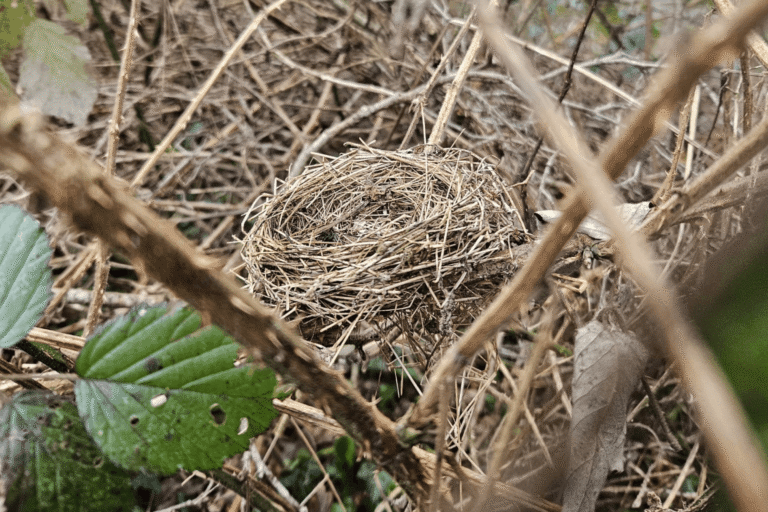
- A Haven for Small Mammals: The sight of a hedgehog snuffling through the leaf litter is a true delight. You can help these prickly creatures by creating "hedgehog highways" – small gaps in fences or walls that allow them to move freely between gardens. Dense native hedging, like hawthorn and blackthorn, also provides vital nesting sites and shelter as well as flowers for pollinators and later in the season, berries for birds.
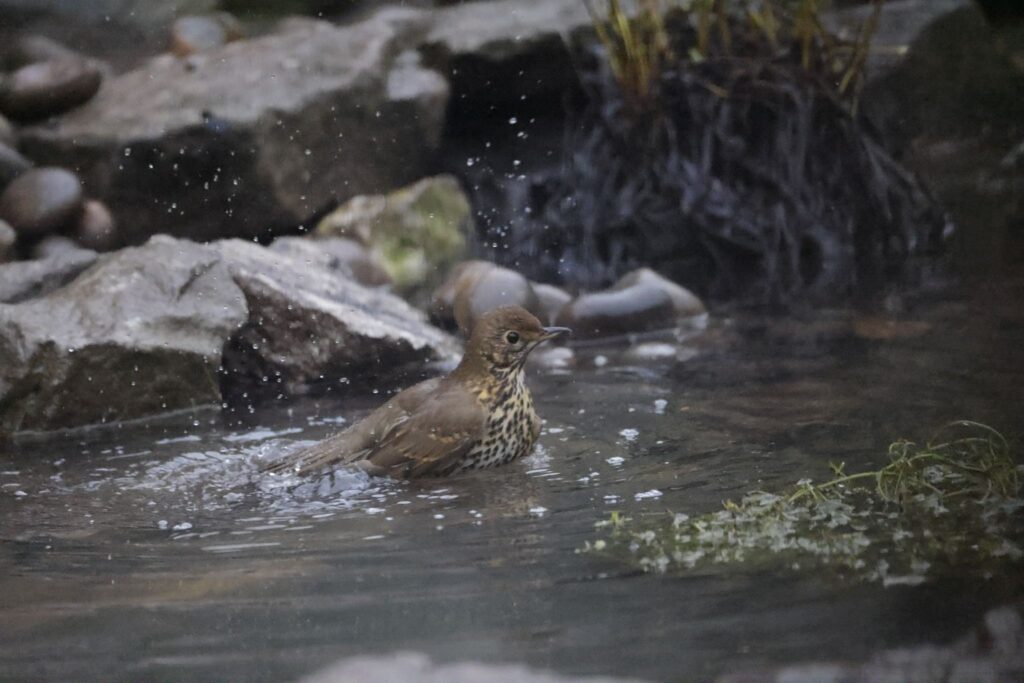
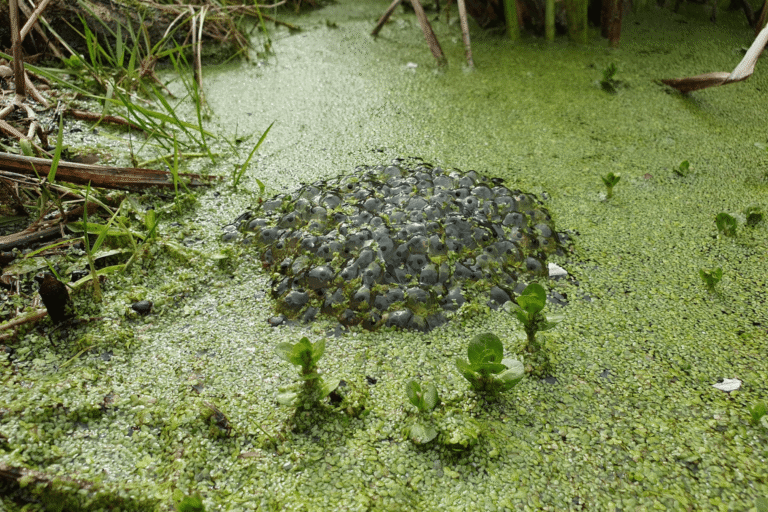
- Water: The Elixir of Life: A wildlife pond is one of the single most effective ways to boost biodiversity in your garden quickly. From delicate dragonflies to croaking frogs and bathing birds, a pond attracts a diverse range of creatures, creating a captivating focal point for you to enjoy - and frogs and toads are excellent natural pest controllers! One garden I designed last year had birds bathing in it even before the garden was complete, and is now home to frogs, newts and a source of bathing and drinking water for multiple birds and mammals.
Boosting the Ecosystem and Combating Climate Change:
When you create a wildlife-friendly garden, you’re not just helping individual animals; you’re supporting the wider ecosystem. A healthy garden is a complex web of life, and by nurturing all its components, you’re making it more resilient and better able to cope with the extremes of weather that our dear old English climate throws at it - floods, drought - a wildlife-friendly garden will handle it better than non-native plants.
- Biodiversity: A diverse range of plants and animals creates a more stable and resilient ecosystem. By planting a mixture of native plants, you’re supporting a wider variety of insects, which in turn feed birds and small mammals. This creates a balanced and thriving environment, all in miniature on your doorstep!
- Climate Action at Home: Wildlife-friendly gardens play a small but significant role in combating climate change. Trees and other plants absorb carbon dioxide from the atmosphere, while a rich, healthy soil helps to store carbon. Native plants, in particular, are well-adapted to our local conditions and require less watering and maintenance - good news if we have another long, hot, dry summer like last year!
Benefits for the Garden Owner:
You might be wondering, "What’s in it for me?" The good news is that creating a wildlife-friendly garden brings a host of benefits for you too.
- A Sensory Delight: A garden teeming with life is a joy to the senses. The gentle hum of bees, birdsong in the trees, the sweet scent of flowers, the vibrant colours of butterflies and the trickle of water - it’s all a constant source of wonder and relaxation.
- Natural Pest Control: A healthy ecosystem is self-regulating. By attracting birds, amphibians and beneficial insects like ladybirds, you’re introducing natural predators that help to control common garden pests like aphids and slugs.
- A Lower Maintenance Garden: Native plants are naturally robust and require less care. A well-designed wildlife garden can be surprisingly low-maintenance, giving you more time to relax and enjoy the fruits of your labour. A garden designer can also ensure that your plant choices are suitable for your particular soil type (here in Worcestershire we have a clay soil for example, which some plants are happier in than others). If you’re gardening for wildlife, too, there’s less pressure to mow your lawn to within an inch of its life, or to clear away dead stems and leaves in Autumn, as you learn that longer grass and stems and leaves offer valuable sanctuary to many insects (and in turn, help to feed the birds by offering them a year-round smorgasbord of tasty bugs!)
- Easier to include other environmentally-friendly elements: A wildlife-friendly garden naturally brings with it an inclination towards broader activities and habits that benefit the environment, such as bug hotels, compost bins, and water butts - elements that can be creatively and attractively included in your garden design, and make good use of your waste food and the vast amounts of rain we have here in the three Shires!
Taking the First Step Towards Your Nature Haven:
Transforming your garden into a wildlife-friendly haven is an exciting journey. As an experienced garden designer and wildlife enthusiast based right here in Worcestershire, I can help you create a space that reflects your style while actively supporting our local environment. Whether you dream of a busy wildlife pond, a tapestry of wildflowers, a resilient native hedge (or all three!) I can work with you to bring your vision to life.
Let’s cultivate a garden that doesn’t just look beautiful but also makes a real difference. Contact me today to discuss how we can create your own personal nature sanctuary.