
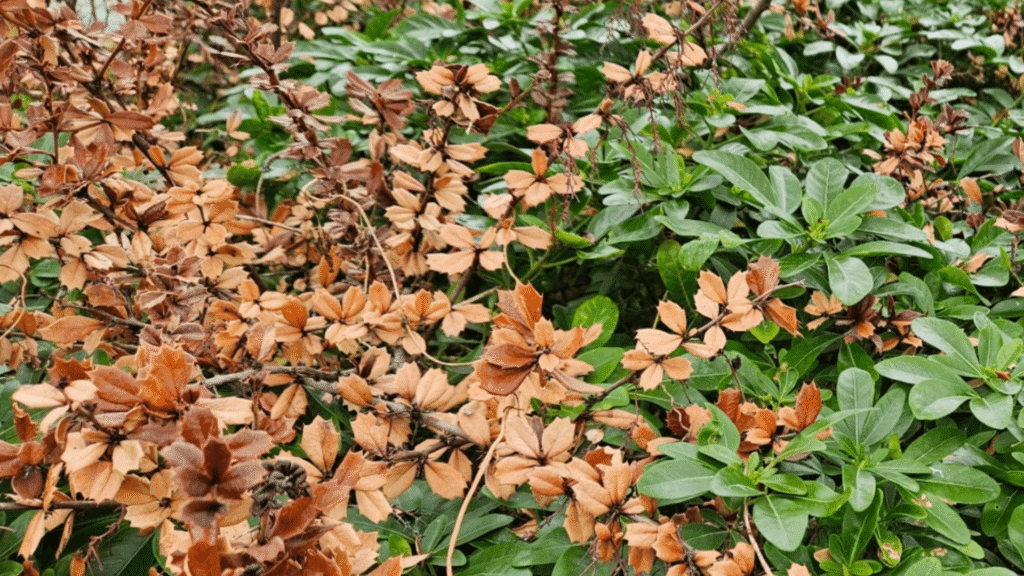
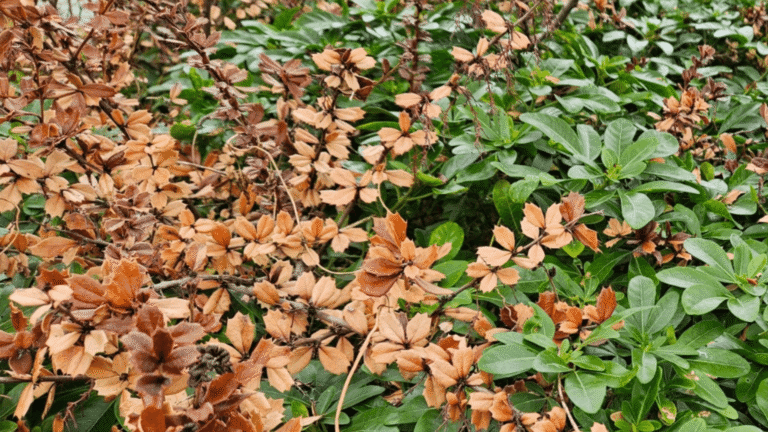
My Berberis darwinii has died. When we moved into our current house 11 years ago, there were a variety of shrubs already planted in the front garden. One of my favourites was the Berberis darwinii, with its small, dark, spiky leaves and its cheerful bright yellow flowers, followed by berries so quickly snapped up by Blackbirds and Sparrows you might not have even noticed they had been there.
It was the sight of these birds hopping in and out of this shrub all year round that made me really love it. They were after the insects and flower buds in the spring, caterpillars in the summer, berries in the autumn, and in the winter the evergreen leaves with their spikes kept them safe from the neighbourhood cats, while they flew to and from the nearby fat ball feeders.
I thought of all the plants that would survive the brutal heatwaves this summer, this one shrub would be it, but whilst the Cistus has been unaffected, and the Choisya is hanging on, I noticed the Berberis has suddenly turned brown and shrivelled, and is definitely a goner. I am sad in that very specific way that only gardeners will understand – the bush wasn’t just important to me – it provided a vital habitat for many different species, and now it’s gone, what will they do?
Anyone with a garden will have experienced this loss in some way this summer. The lack of rain and the heatwaves have ruthlessly stripped out many a favourite plant. But gardeners know that gardens are always a work in progress, and must be adapted to changing climate conditions. I don’t think there is any chance of a return to mild, rainy summers, even though our winters remain cold and wet – extreme heat is here to stay.
So, this blog is to share with you my plans for how I will be adapting my planting schemes for the future we seem to be facing – hot, dry summers, and cold, wet winters in heavy clay soil.
1. Being honest
A recent conversation with a client regarding their planting contained the revelation that to keep their Hydrangeas alive, they were having to water just that one plant for several minutes each, multiple times a day. I think we have to be honest, that if a plant needs that much attention now, when summers will only get hotter and drier, then it’s not a sustainable plant for the garden anymore.
I already avoid plants that need extra care in the winter – anything that needs wrapping up in hessian, digging up and bringing in over the winter, or tying up with string so that snow doesn’t bend the branches down. I just don’t believe that the ‘show’ is worth it, and especially not for people who are new to gardening and whose confidence could be significantly knocked if they don’t get these techniques right – or if they don’t have the time for them.
I firmly believe that a garden that is resilient over the summer, that is stocked with hardy, robust plants, can be as attractive and joyful as a garden full of beautiful exotic blooms, that are also tender or needy plants.
2. Being resolute
So, I am removing any plants – like Hydrangeas, that would place an excessive burden on both the client and the water reserves (see my other blogs on storing water for the garden).
Looking ahead to this winter; plants that have been weakened by the summer may not have enough reserves to get through the winter. Any plants that suffer in waterlogged soil will be removed from my plant list, and I am sorry but this includes Lavender. Before anyone panics – see below for how you can still have this favourite, just not quite in the same way.
My planting plans for the future will be more limited than in the past, but the garden I present to my clients will be as resilient as I can make them, with as few heart-wrenching losses as possible.
3. Being positive
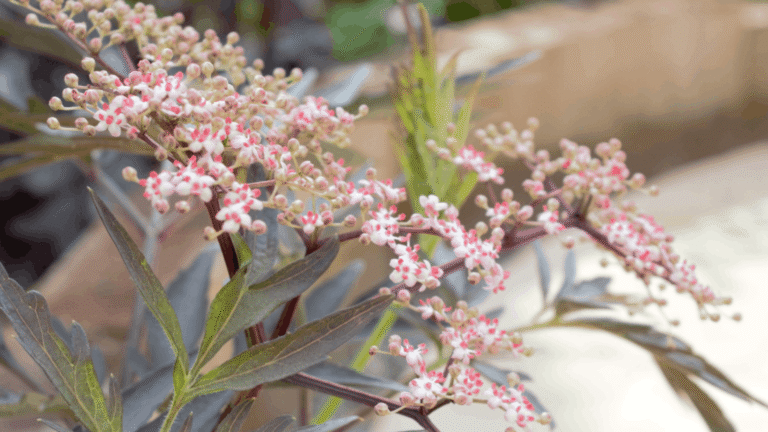
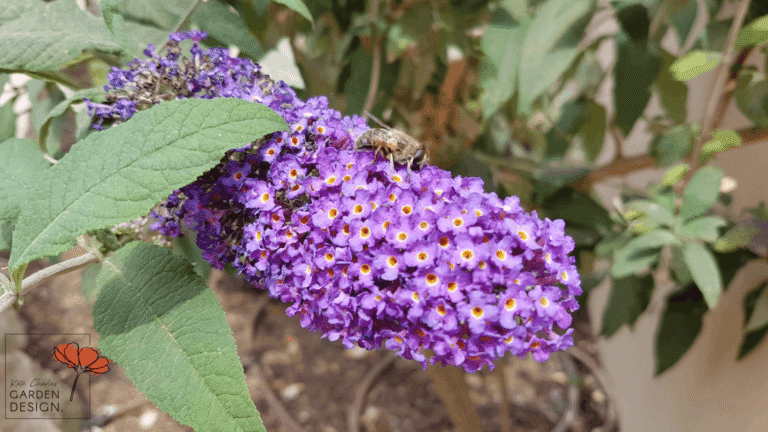
I am taking an inventory of previously planted gardens – and my garden – for plants that have remained unbothered by the summer – such as the Cistus growing right next to the doomed Berberis. My Sambucus nigra is also absolutely thriving, as well as the Buddleja.
A recent revisit to the Apple Trees garden (a new video coming to my You Tube channel soon!) showed exactly what had thrived and what had suffered – the ‘sunny border’ planted with grasses, Perovskia, and other sun-loving plants is looking wonderful. However, the ‘shady border’ is simply not as shady and damp as previous years and the site analysis predicted – the ferns and heucheras were suffering.
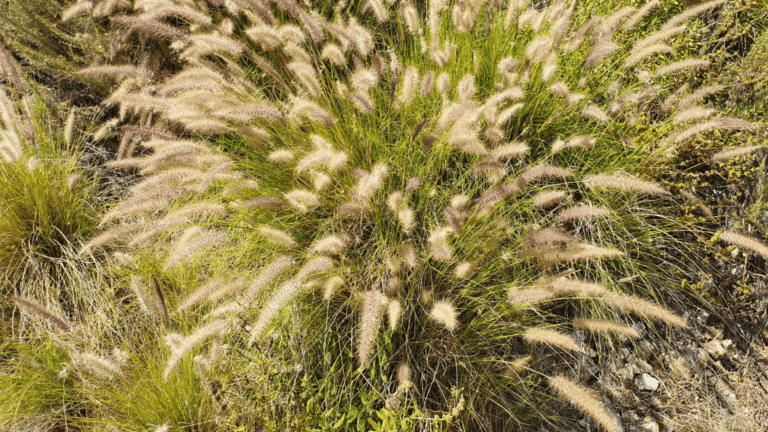
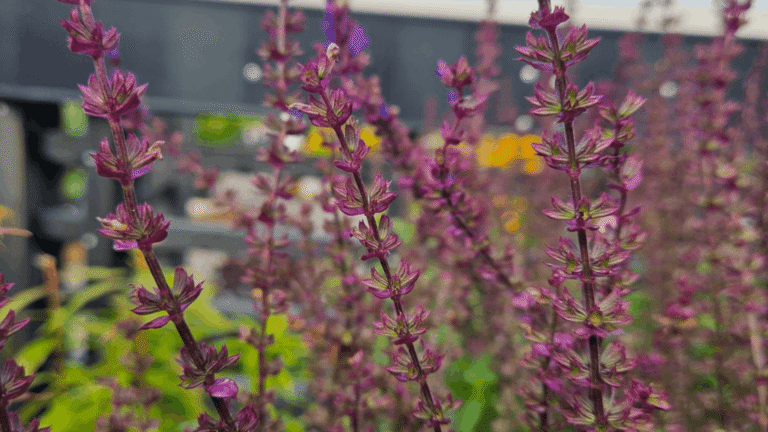
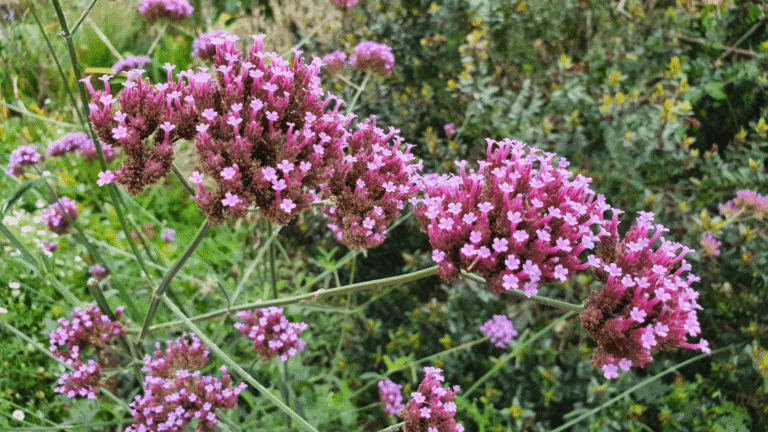
Lots of plants do tolerate hot and dry conditions, and will also cope over the winter. Grasses such as Calamagrostis ‘Karl Foerster’ and Miscanthus sinensis, hardy Geraniums like ‘Rozanne’ or macrorrhizum ‘Ingwerson’s Variety’ are tough and lovely. Tall airy plants like Salvias, Verbena bonariensis, and Gaura have mostly done well if established. For larger flowers, I will be using more Iris sibirica, and the versatile Hemerocallis or Day-lily.
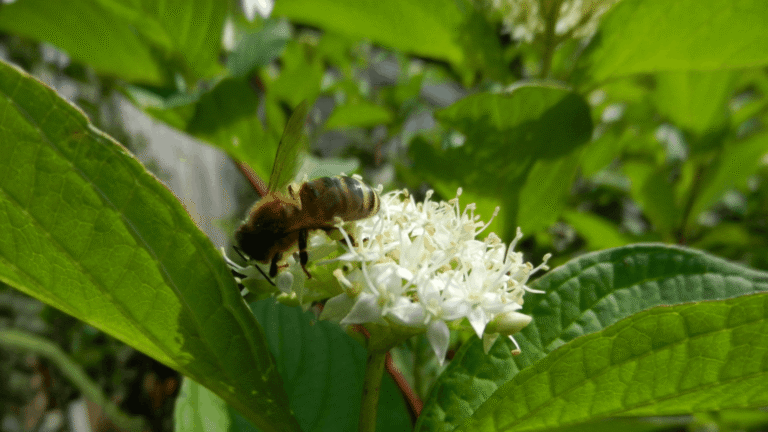
When considering structure, I will be including shrubs such as Cornus (Dogwood), Oak-leaved Hydrangea, Physocarpus, Viburnum, and plenty of Roses. My Betula (a multi-stemmed Himalayan variety) has survived pretty well, as has my Amelanchier. I will be including these, alongside the wonderfully varied Sorbus (Rowan) and Hornbeam. I love Acers, and will continue to use them, although carefully, as hot dry conditions can make their leaves crisp and die.
I’m sure that if you look round your garden you will spot plants that are happy, despite the heat – let me know what’s done particularly well! When you come to replace plants, or restock other parts of your garden, you can use this information to inform your choices.
4. Being Inventive
Back to Lavender – I love it as a plant, and it’s wonderful for the bees, so I’m loathe to give it up. But it can’t be left to drown in waterlogged soil over the winter. I am experimenting with planting it in reclaimed chimney pots filled with a mix of soil and gravel, or incorporating raised planters for it and other mediterranean herbs. That way the traditional pairing of Roses and Lavender in the same border (despite them needs opposing conditions) can continue – just with a slight twist.
I’m sure there are lots of ways to create the right conditions for plants without it becoming a maintenance burden, or denying reality. If you have come up with an inventive solution you’re proud of, let me know in the comments.
I have incorporated gravel gardens into several recently designed gardens – with careful planning for winter drainage, this approach can create a really lovely effect, particularly when paired with decorative rocks and bubble fountains.
But it’s not just planting schemes that need to change – retaining as much water for summer irrigation is more important than ever – see my previous blogs about storing rainwater. The soil also needs all the help we can give it. Adding organic matter helps both clay and silty or free draining soil. Thick layers (5-10cms) of mulch will feed the soil over the year, and help to retain moisture in the summer – as long as it’s not piled against stems. Watering properly – directing a stream of water at the roots of each plant, and making sure it soaks in – with the method of watering once, waiting, then watering again a few minutes later. This is better than watering all in one go, as it tends to run off if the soil is too dry. I will write a more in-depth blog about watering in the next few months, and also one about taking care of plants that might become waterlogged in the winter.
In the meantime, I hope your gardens have survived this summer relatively intact, and you haven’t lost too many of your favourite plants.