Welcome to another blog tackling the issue of how to develop a climate-resilient garden. Summer 2026 is extreme, but it’s likely that our future summers will be similar to this one, meaning that to survive and thrive, we have to adapt.
I am starting with some alternatives to the usual boring hedge types like laurel or privet, for a couple of reasons - a wider variety of native hedging rather than these introduced types, is more hardy and better able to cope with our changeable climate; it also offers a much wider range of benefits to our native wildlife population. Further to those very valid reasons, a native hedge offers a great deal of visual appeal throughout the season, from blossom to fruiting stage and everything in between.
I would recommend starting with a good range of different native shrubs, planted about 30cm apart, and staggered in a zig-zag pattern.This allows for a more natural look, and space for the plants to develop well. If you buy ‘whips’ or bare rooted plants in Autumn, they can be easily ‘heeled in’ with very little effort. Autumn is the ideal time to plant your native hedge. I have such a hedge and this is what I started off purchasing from my local horticultural college nursery:
Guelder Rose (Viburnum opulus): This variety offers beautiful spring flowers which support hoverflies, followed by translucent red autumn berries that feed hungry thrushes and bullfinches. It thrives in all soil types and will cope in full sun or partial shade.
Common Dogwood (Cornus sanguinea): This native shrub has delightful stems, which are often red in colour. The green leaves feed the caterpillars of the Green Hairstreak butterfly and the Case Bearer moth before turning a glorious red and falling in the autumn. White flowers turn into black berries which are stripped clean by wintering birds.
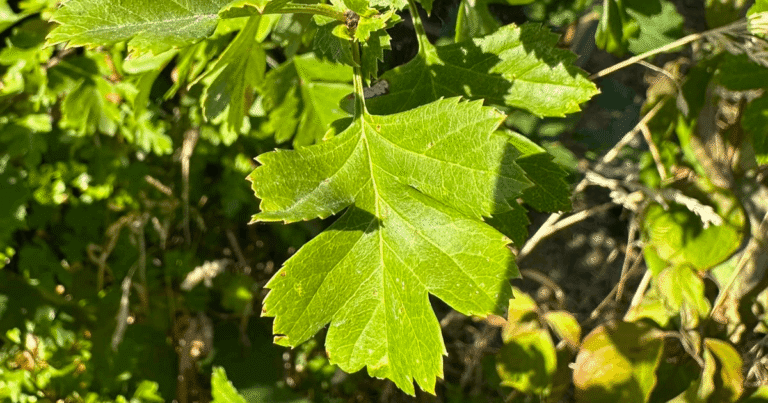
Hawthorn (Crataegus monogyna): Hawthorn is the frothy white flowering shrub with the bright green leaves that brings joy every Spring. It copes brilliantly in full sun; I have not watered mine at all this year and it is still thriving. This native plant supports over 300 insect species, and offers a dense, thorny structure which provides incredibly safe nesting sites for garden birds. Further into the season, the bright red ‘haws’ bring autumn delight to the gardener’s eye, and food for many birds.
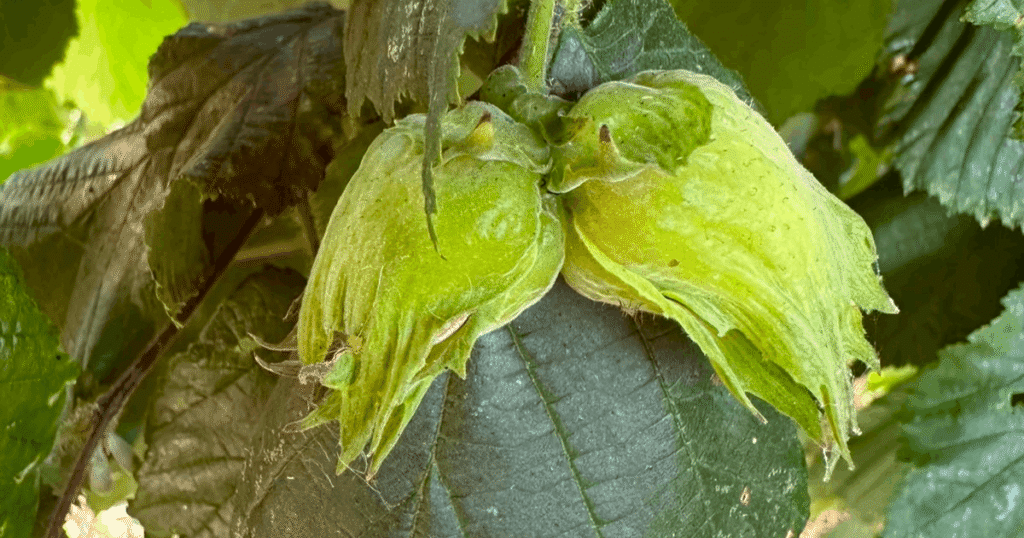
Hazel (Corylus avellana): Early spring catkins provide vital early pollen for awakening bees; autumn hazelnuts feed an abundance of wildlife from jays to dormice. The nuts can be collected and eaten should you wish; they were cultivated for this purpose in the UK until the 1900s. Hazel is a resilient plant; you’ve likely had to remove stray saplings trying to establish themselves in various parts of your garden, forgotten by squirrels! They tend to grow very vigorously which is why they are frequently managed through coppicing. I take mine back every year and it is gradually becoming a small tree rather than a hedge - this is intentional; if you want to keep yours hedge-height you will just need to trim it a little more vigorously.
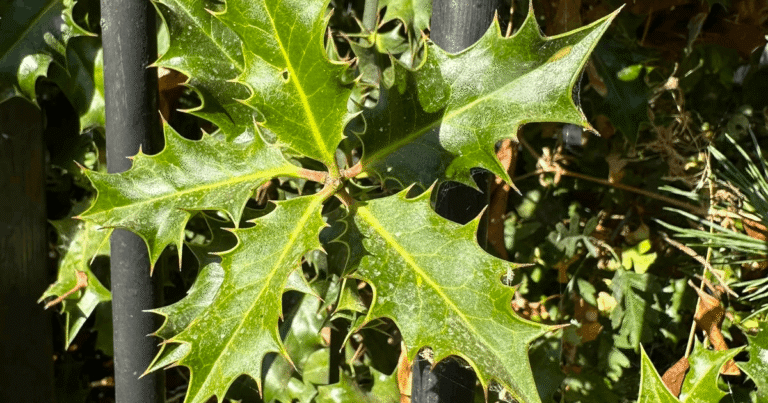
English Holly (Ilex aquifolium): The primary food plant for the Holly Blue butterfly caterpillars, Holly is a familiar sight. Offering flowers, bright red berries, an evergreen complexion and protective leaf litter, Holly is an all round good egg of a plant - unless you’re gardening barefoot - a holly leaf on the ground is definitely worse than stepping on Lego! The spiky leaves are friend to much of the animal world, though - giving safe haven to sheltering birds while on the branch, and fallen leaf litter protects hibernating insects and hedgehogs.
Spindle (Euonymus europaeus): A deciduous native tree, Spindle has shiny green leaves which turn orange in autumn. The flowers and fruit are quite unusual; following the pollination of the four-petalled flowers, a bright pink fruit appears, with a bright orange central seed. Caterpillars of the Magpie and Spindle Ermine moths feed on the leaves; they also attract aphids and any associated aphid predators, as well as the seeds and fruit becoming a valuable food source for birds.
Elder (Sambucus nigra): Familiar fragrant flat blooms swarm with small beetles and hoverflies in late spring into summer; rich, dark autumn berries are an essential energy source for migrating birds. Many of us have fond memories of elderflower cordial, ‘champagne’ or fritters - a whole head of elderflower dipped in batter and fried before being dusted with sugar and eaten - a real spring treat. Elderberries are harvested to make a syrup which is very high in vitamin C and is quite easy to make yourself.
Goat Willow (Salix caprea): Male trees produce fluffy yellow catkins that represent the single most important early-spring sugar source for queen bumblebees. Goat willow can be very vigorous and hard to remove so be careful where you plant it.
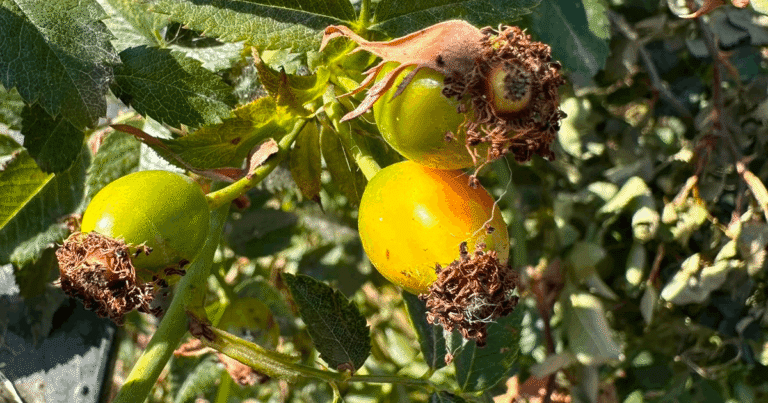
Dog Rose (Rosa canina): Scented blooms feed solitary bees; large red rosehips are a winter staple for small mammals and birds such as blackbirds, redwings and waxwings if you’re lucky enough to spot one. Mine hasn’t been watered all summer and is thriving with the rosehips ready now. Rosehips are another fruit that is high in vitamin C and can be used to make a wonderfully sweet syrup - you’ll need to be careful to strain it thoroughly to get rid of the itchy hairs inside - these have been used over the years to annoy many a sibling by shoving the insides of a rosehip down a jumper!
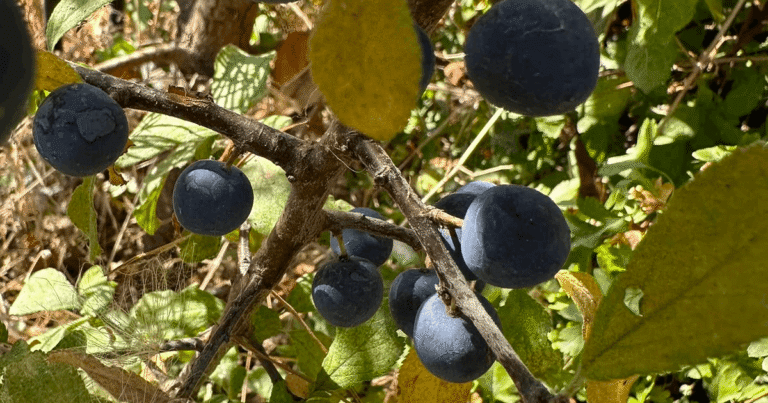
Blackthorn (Prunus spinosa) This spiky shrub must be carefully handled, as the thorns are VERY sharp and quite long.The benefits outweigh the risks, however, as after pollination the fruits develop - inch-long, bluey-black and incredibly bitter - but glorious after steeping in gin for a few months prior to Christmas! The flowers and foliage are food for many moths and butterfly species; and the fruit provides a further food source for birds in the autumn (unless you scrump them all first!)
All of the images in this blog are from my wildlife hedge - and this is after two months of unending heat and virtually no rain. They are all looking a little wilted but have coped incredibly well despite the extreme conditions. I hope this might have inspired you to plant your own native wildlife-friendly hedge - please don’t hesitate to get in touch if you’d like some advice on where to plant it, where to purchase saplings, or any other garden design information I can help you with. The rewards from doing your bit for wildlife are huge, and I’d love for you to experience this joy!