
After the recent heatwave, it would be difficult for even the staunchest climate-change denier to ignore the fact that our climate is most definitely being affected by global warming. The record June temperatures and the increasingly hot years are becoming steadily more frequent, as shown in this heat changing graph below of my local area from 1850-2025. So this change is seemingly inevitable - and our gardens are being affected - but what can we do about it?
Firstly, it’s important to note that although climate change is most definitely happening, there ARE things we can do to mitigate the effects - both in our homes and in our gardens. We can also take small but impactful steps to reduce our own climate impact - from composting our food waste, through to planting trees for shade, wildlife conservation, and carbon sequestration.

If you are planning a garden design in the coming years, it’s vital that you ask your garden designer how they plan to make your garden climate-change-friendly. In this blog I explore the three key areas to consider.
Water conservation and management
Our climate isn’t just getting hotter - it’s getting wetter. It might not seem like it, in the depths of a scorching summer, but the rain we do get, when it comes, is more plentiful, vigorous and damaging - it’s a boom-or-bust situation as thunderstorms and flash flooding are increasingly likely.
Water conservation is a key part of garden design - a good designer will consider how to harvest the downpour and store it for future use when the weather hits a hot spot. Water butts can be used to store rain water to water your garden once the hosepipe bans hit, and can be included unobtrusively in most gardens. You might even ask your designer to develop an irrigation system that can run all through the garden from the butts, and that can be switched on or off as needed. This will provide a steady trickle while reducing the amount of run-off into the drains.
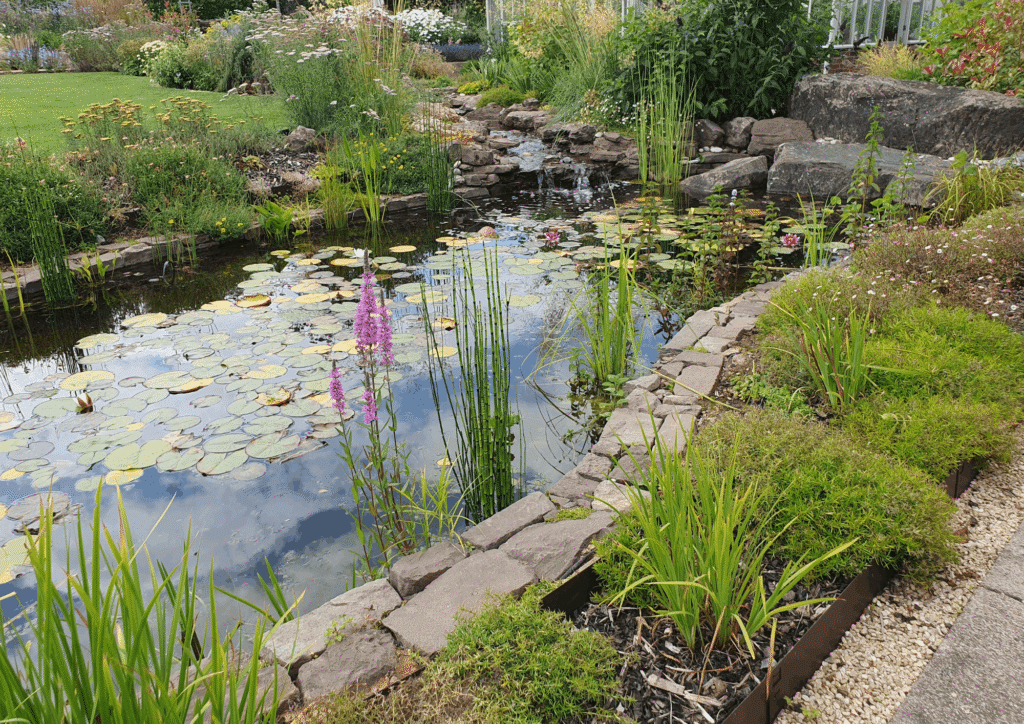
If you're planning a garden redesign and wondering how to handle wetter winters and flashier summer storms, a swale is one of the simplest, most effective solutions a designer can offer. A swale is essentially a shallow, gently sloping ditch - don't let the word "ditch" put you off. It's a deliberate, planted feature designed to capture rainwater, slow it down, and let it soak gradually into the ground rather than rushing into drains or flooding your borders. Think of it as a natural sponge for your garden.
A swale doesn't have to look functional or ugly; a good designer will weave it into the landscape so it feels like a natural part of the garden. Here's how that might work in practice:
- Positioning it cleverly. The swale follows the natural slope of the garden, intercepting runoff from hard surfaces like patios, driveways, or the roof via a downpipe. It's placed where water already wants to go.
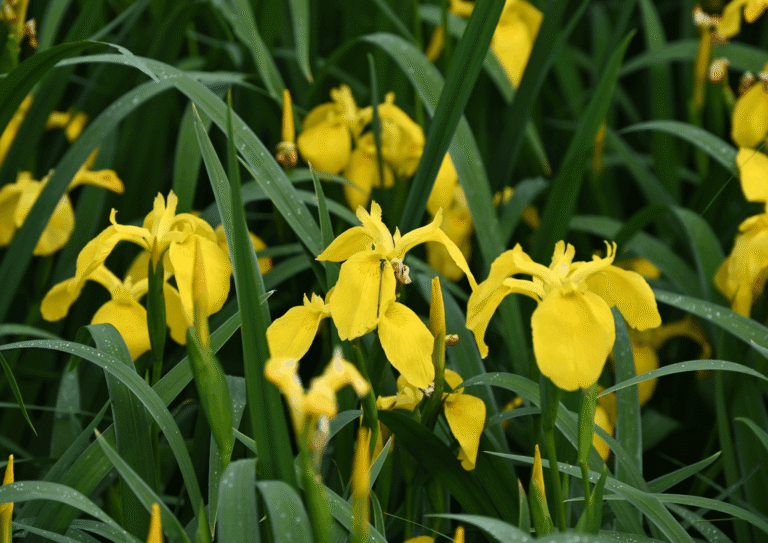
- Planting it beautifully. The sides and base are planted with moisture-loving perennials and grasses - think irises, sedges, and rushes. What was a drainage problem becomes a lush, wildlife-friendly feature that supports pollinators and birds through the season.
- Choosing the right materials. The base is lined with gravel or stone to aid drainage, while the surrounding soil and plants do the heavy lifting of filtering and absorbing the water. A designer will specify materials that suit your soil type and the volume of water expected.
- Making it multi-purpose. A swale can double as a dry stream bed in summer (when it's not actively holding water) or sit alongside a path, creating a soft edge that guides the eye through the garden.
For a garden designer like myself, who focuses on sustainable, climate-resilient gardens, a swale is a practical tool that also adds biodiversity and visual interest. It's not just about stopping water from pooling - it's about adapting to a changing climate in a beautiful, functional and effective way.
Wildlife conservation
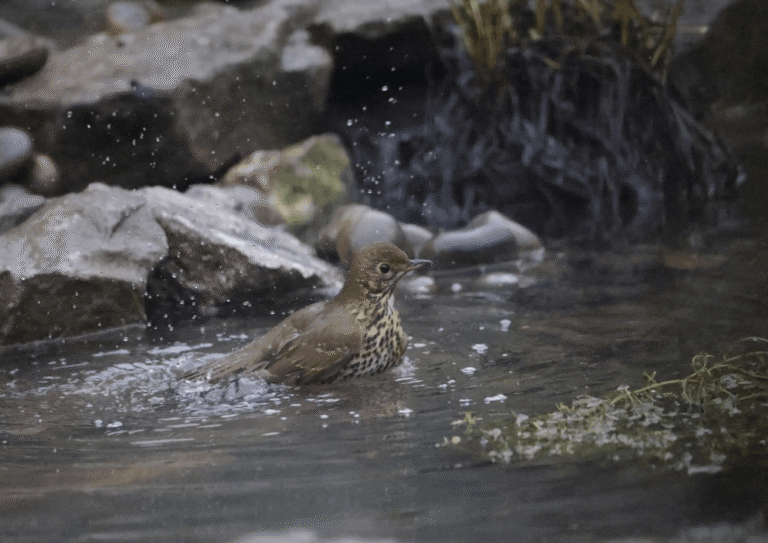
As mentioned above, a good, climate resilient garden design will help wildlife as well as being appealing to look at. Water butts and a swale can all be part of a larger conservation management plan designed to offer a haven for wildlife - including birds, pollinators such as butterflies and bees, frogs, newts, toads, hedgehogs and perhaps even visiting foxes and badgers, depending on your location. There are many options for your garden design that will provide a miniature ecosystem - you might consider planting a native hedge with ancient varieties such as hawthorn and crabapple, rather than laurel or bay - offering a safe nesting and feeding habitat to many creatures. Or you could include a pond as part of your swale - sure to attract all sorts of wildlife in no time - one client had a thrush bathing in her pond even before the garden build had been completed, and within weeks there were resident frogs and newts!
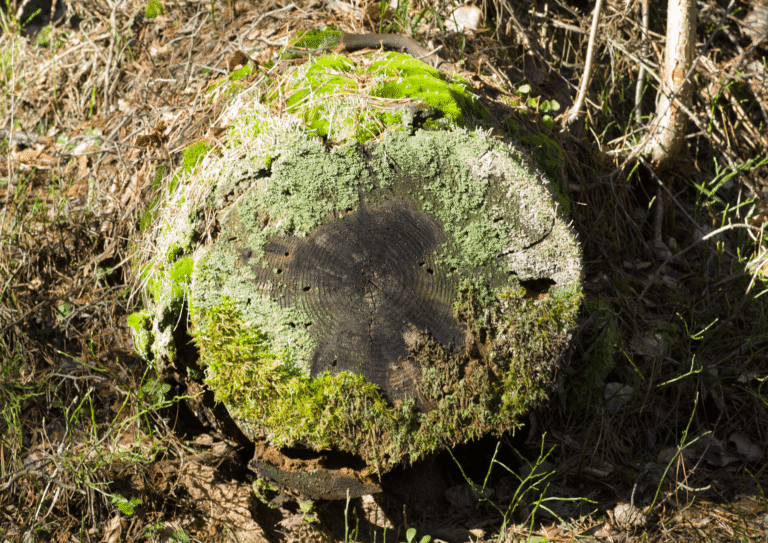
A feature I really like, which was popular in the Victorian era and has been regaining popularity in recent years, is the ‘stumpery’. This is where you use either existing tree stumps, or a pile of collected logs, stumps and wood, and allow it to rot decoratively - planting shade-loving plants amongst any cracks, allowing moss to develop - keeping it damp - and over time you’ll be supplying shelter to a whole range of invertebrates and other creatures. I have a resident frog who lives under mine. They work very well beside ponds and in swales!
Heat resilience
As well as water capture and management and wildlife friendliness, it’s important to note that in some gardens, you’ll need to consider heat resilience. Especially if you have a South/West facing garden, that doesn’t have a lot of shade. There are several things you can do to cool your garden down, though, as well as your home.
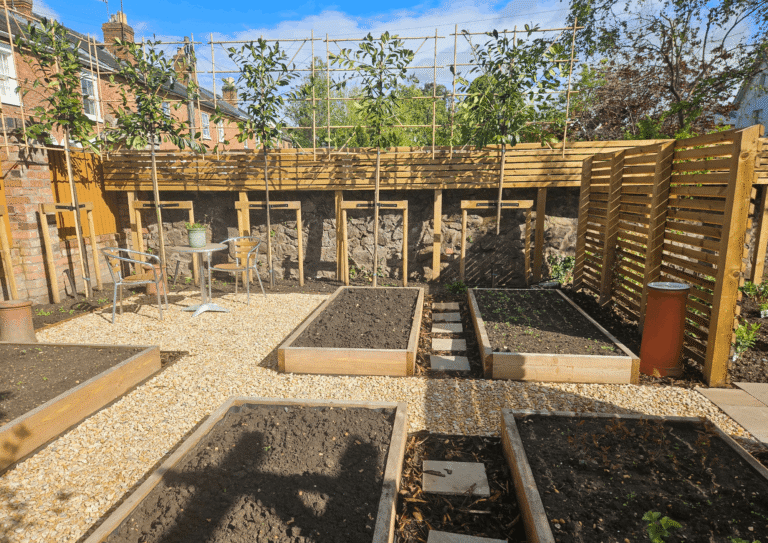
It has been shown that having plants actually growing ON your home is effective in cooling your space. Grape vines, Virginia creeper, and Wisteria all grow quickly and can be trained over pergolas, walls and around windows, offering shade and a cooler space. Fast-growing trees, too, are very helpful in reducing the glare of the sun. My friend’s front garden is West facing, and gets a lot of sun throughout the day - but she planted a cherry tree back in 2017, which is now as high as the second storey windows, and gives a delightful amount of shade in the space. She has her vegetable beds in the front garden, because it gets enough sunlight to grow the plants happily, but the cherry tree offers enough dappled shade that they don’t become parched. That shade combined with a 1000 litres of water butt storage, her garden is thriving throughout our current hot and dry spell here in Worcestershire!
If you don’t have any shade at present, some fast-growing tree options are native Alder, Rowan, Hazel and Beech - which will offer food to wildlife in the autumn as well as shade in the summer and visual appeal all year round. Speak with your garden designer and they will be able to recommend the best type for your garden’s position, soil type, and visual preferences.
You might also consider pleached trees, if you have too much sun and want to reduce it as well as increasing privacy in your garden. You can read more about this method of utilising planting that includes tall, bare trunks with foliage trained across wires above a wall or fence, in my previous blog here.
If this has inspired you to develop your garden to be more climate-resilient, I’d love to help you get started - drop me a line or give me a call!