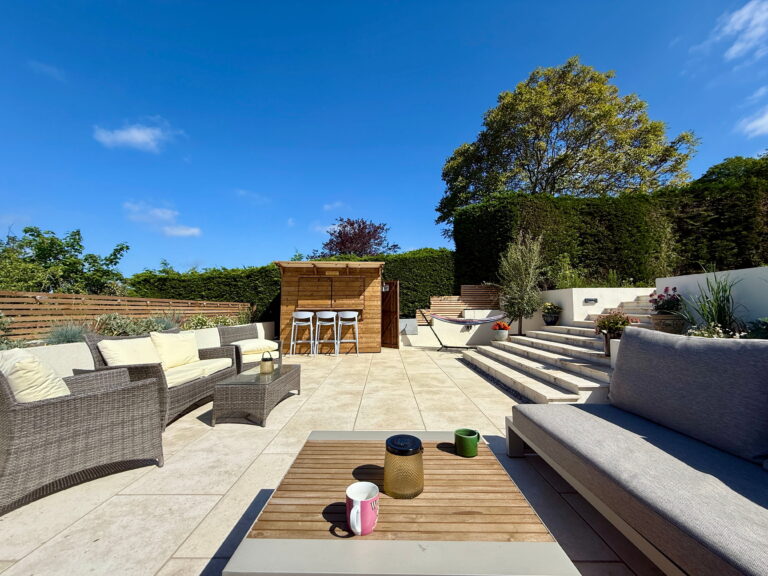
As we swelter in the June heatwave, the lure of our gardens at the end of a long hot day is extremely tempting. But are you coming home to a welcoming, beautiful space - or a bedraggled collection of old pots with dead garden centre flowers in them, and last year’s mildewed cushions on a broken bench?
For the hardworking, tired professional, having an outdoor space to relax in isn’t a luxury - it’s a necessity. You deserve a beautiful garden; with planting that will be low-maintenance yet give you visual appeal all year round; seating areas that can be used from dawn till dusk, and an indoor-to-outdoor design that makes it feel as though your garden is an extension of your house.
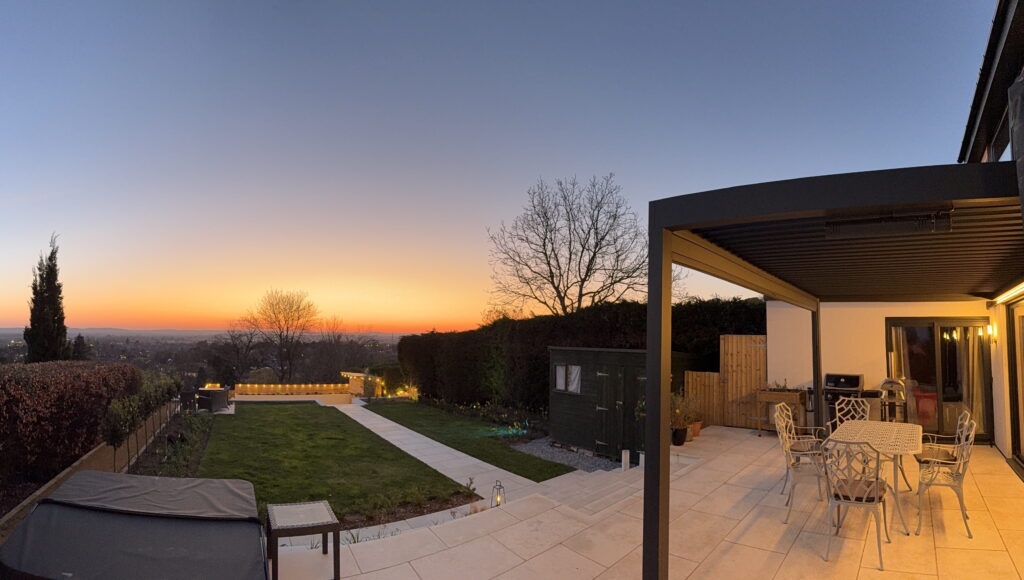
In my last blog I explored the importance of engaging a garden designer at the same time as you are having work done on your house - this is important because if you want certain aspects of your garden design to flow seamlessly with your house design, you will need to speak to your house architect and your ‘garden architect’ (me) simultaneously. As you can see from the image above (a garden which I designed) having a patio that naturally extends straight out from the house is a complete game-changer, offering a transition-free experience, ideal for hosting or simply relaxing after a day full of meetings and commutes. Imagine closing the door behind you, slipping off your shoes, sliding open the door and sinking into a chair with something cold in your hand while the magnificent sunset soothes your soul - THAT is the feeling a great garden design can give you.
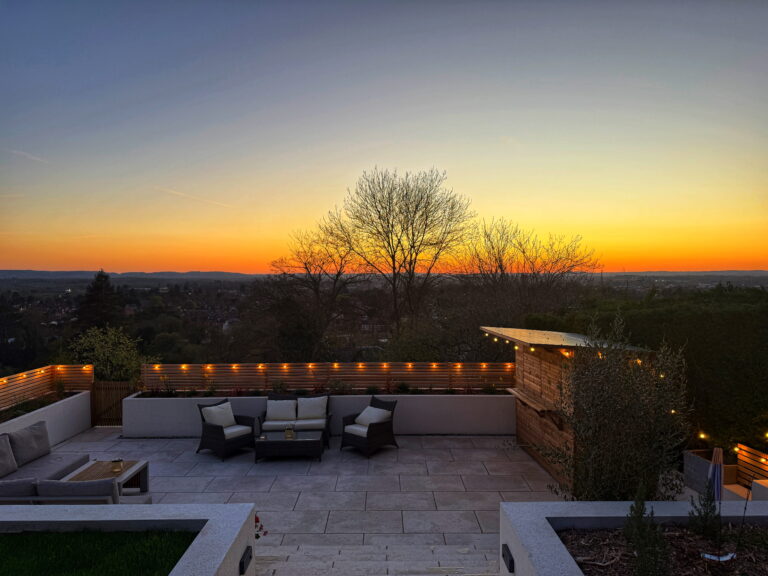
When it comes to weekends and holidays, having a garden that will work for you through the evening into the night-time is important. With a garden design that is as beautiful in the sunshine as it is in the starlight, you can achieve this. Lighting is the key - no football pitch floodlights here though please! The goal is to create cosy, intimate lighting that will highlight key features such as the sculptural elements of the planting and any steps or path markers while simultaneously avoiding upsetting any wildlife. To ensure wildlife-friendly lighting, my guest blogger Chris Hudson says:
“Opt for warmer, redder lighting to minimise harm. Look for bulbs labeled around 2200K or lower (Kelvin is the color temperature) – experts recommend using “warm (amber) colored” outdoor bulbs instead of cool white ones to lessen the impact on animals and plants. Your garden will still look beautiful, and you’ll be providing a calmer environment for nocturnal visitors.”
Ensure that your designer sticks to this advice, and you’ll be able to watch the bats flitting above you, hunting insects, and moths visiting your night-scented flowers - you may even be visited by a hedgehog! I love sitting on my beloved old swing seat late in the evening watching the stars and the bats and sipping a cool drink - it helps me settle in for a good night’s sleep.
As for planting - there are many plants that come alive later on in the day, to attract moths and other night-time pollinators. The sensory delight of night-scented-stocks; jasmine climbing a wall behind a seating area, or the brush of lavender as you stroll down the garden path, cannot be underestimated when it comes to creating your post-workday little slice of heaven.
It feels like insanity to think about heating at the moment, but given our lovely English weather it won’t be long until we’re all shivering again - and therefore, we need to consider heating, if you’re planning to use your garden after dark in Autumn/Winter. A good old firepit area can be delightfully atmospheric, but comes with downsides - the mess, the smoke, the fire risk - but there are alternatives. Bioethanol fire tables are a good option, offering instant flame, no smoke or ash, and no cleanup time. They don’t smell quite as nice as real wood burning, but if you can’t be bothered with the hassle of wood they’re a good compromise.
So if you’re ready to treat yourself to the garden that you deserve, get in touch! My books have just re-opened. You can call or email me via the Contact page on my website.
Thank you to the clients of this garden design for the use of their photographs.